Homepage > Clinical Topics
SHM’s i-HOPE Stakeholder Committee has partnered with patients and other stakeholders to improve the care and experiences of hospitalized patients through creating a patient-centered research agenda and network of stakeholder collaborators. These resources can be used by patients, stakeholders, advocacy groups and researchers.
Hospitalization can be a challenging and vulnerable time for patients and their families. Issues with the quality and safety of hospital care are well-documented. However, what is less understood are the perspectives of patients, families, caregivers, and other stakeholders regarding what they feel are the most important targets of improvement research. There is an urgent need to engage these stakeholders/groups and include their voices and perspectives into which topics should be the focus of research and quality improvement in hospital care. Therefore, in the i-HOPE study we completed a systematic and broad engagement process with stakeholders, followed by an in-person prioritization meeting, to generate a priority list of research topics that describe the most important gaps in the care of the hospitalized patients and targets for improvement research.
The primary goal of the i-HOPE Project was to engage patients, families and other stakeholders to generate a priority list of general research topics and unanswered questions important to the care of the hospitalized patients. These topics and questions should be used by patients, stakeholders, advocacy groups and researches to advance the care of hospitalized patients in the United States and beyond.
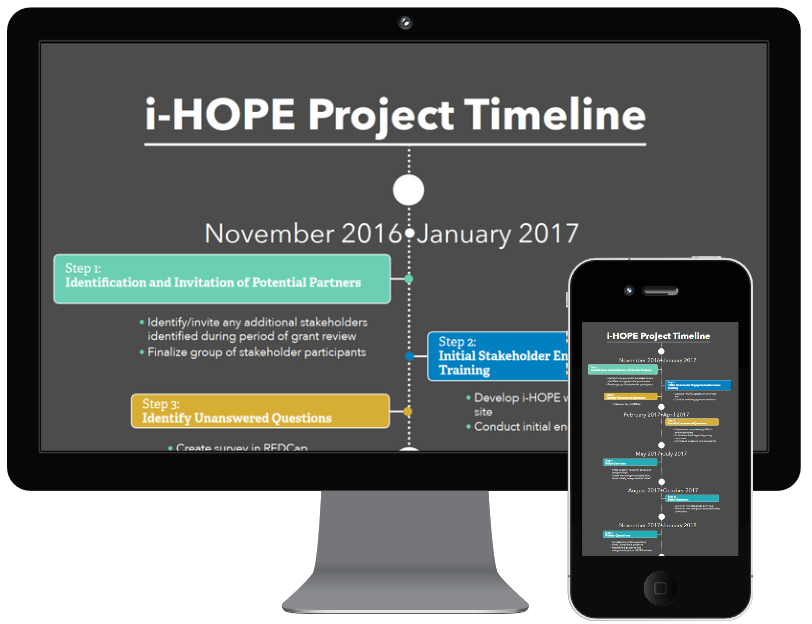
The project had seven phases:
1) Identification and invitation of potential partners
2) Initial stakeholder engagement
3) Identifying topics or unanswered questions related to the care of hospitalized patients
4) Refining questions and uncertainties
5) Prioritization
6) Dissemination
7) In-person meeting for final question prioritization and refinement
Phase 1: Steering Committee Formation: Nine researchers, eight patients, and two administrators from eight academic medical centers formed a Steering Committee to manage this project. The i-HOPE Steering Committee partnered with SHM our supporting and dissemination partner.
Phase 2: Stakeholder Identification: Stakeholder organizations (patient advocacy groups, providers, researchers, payors, policy makers and funding agencies) were identified and invited to participate in the i-HOPE study.
Phase 3: Stakeholder Engagement and Awareness Training: Representatives from stakeholder organizations who agreed to participate in the study were then further orientated to the study rationale and methods via a series on online interactive webinars.
Phase 4: Documenting Gaps in Care and Questions: We used an online platform to develop and administer a survey to stakeholders, patients and families. The survey asked respondents to identify up to three important topics or questions related to the care of hospitalized patients. Stakeholder organizations were encouraged to send the survey to their entire membership or key leaders of their organization.
Phase 5: Initial question categorization and identification: We used qualitative thematic analysis to categorize all submitted topics and questions.
Phase 6: Interim Priority Setting: We then sent the list of most frequently submitted unique, unformatted, questions to stakeholder organizations and patient partner networks. Each organization was asked to rank the questions that they felt were most important. Each group was allowed flexibility to determine how they arrived at their rank order determination, however they were encouraged to engage with their members or leadership team.
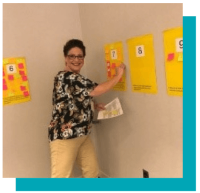
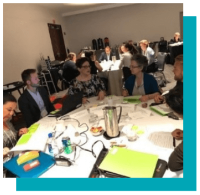
Phase 7: In-person meeting for final question prioritization and refinement: Representatives from stakeholder organizations and all Steering Committee members then participated in a two-day in-person meeting. During this meeting there were a number of small and large group discussions to create a final list of prioritized questions in rank order of importance. Questions were also were edited and refined and reformatted (if necessary) into a research questions during group discussions.
The i-HOPE survey was poised to help research teams learn the questions that patients, families, caregivers, and other healthcare stakeholders want answered.
The i-HOPE project team hopes that this patient and stakeholder-driven research agenda will catalyze the improvement of hospital care. Here are some ways that it might be used:
Patients and caregivers could use these priority questions to improve their own care. These questions reflect areas that patients, caregivers, and stakeholders think could be improved. Addressing them during patients’ hospitalizations could help improve the care hospitalized patients receive.
Patients and caregivers could also use these questions to engage with their own healthcare systems to identify ways to improve care in their communities.
Providers could use these questions to improve the care they deliver, or as the basis for hospital or system-wide improvement activities.
We hope that these questions will help drive research project in these areas. The i-HOPE data provide a strong rationale for studying these areas.
The points of contact at each of our stakeholder partners is listed within the tab.
Connect with us on twitter and join us on our journey to improve patient care @iHOPEstudy.
Note: The i-HOPE Study project is funded through the Patient-Centered Outcomes Research Institute Eugene Washington PCORI Engagement Award EAIN-3939.
This website uses cookies to improve your user experience.