Help the next generation of hospitalists by sharing your career story and advice here. SHM will feature select stories below and in future social media posts.
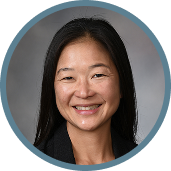
Joy Engblade, MD
Division Chief of Hospital Medicine
University of Kentucky
Phenotypes I most identified with early in my career:
How has your career evolved?
My leadership career has certainly not been linear and it hasn’t been planned. For me, I find it satisfying to fill a need and I’ve done that through my career. This has taken me down paths that I find interesting.
What advice would you give trainees on building a fulfilling career in hospital medicine?
Don’t be afraid to put yourself out there, even if you don’t think you are qualified. If someone presents you with an opportunity that you find remotely interesting, just say yes. Relinquish a role if you find that it’s not a good fit but be sure to do this in a way that leaves everyone feeling good.
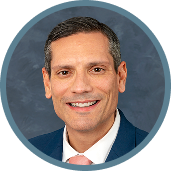
Dustin T. Smith, MD, SFHM
Associate Professor of Medicine
Emory University School of Medicine
Phenotypes I most identified with early in my career:
How has your career evolved?
My career in hospital medicine began after completing residency, supported by a strong foundation in medical education, evidence-based medicine (EBM), and career development. In the early years,
my primary focus was mastering core clinical competencies in hospital medicine. Although formal educational roles were limited, I actively sought opportunities to engage in medical education for learners at all levels,
guided by mentorship. Local institutional avenues for resident education seemed most promising. One of my first opportunities was presenting a “noon conference” at my practice site, where I chose an EBM-focused topic adapted from my senior resident curriculum and
graduation presentation.
That experience opened doors, and I soon found a natural fit working alongside resident learners in the inpatient setting and contributing to hospitalist faculty development programs. As my institutional career advanced from core faculty to associate residency program director, I also discovered my professional home within the Society of Hospital Medicine (SHM). Through active volunteer service with SHM, my trajectory accelerated — from conference attendee to faculty presenter, committee member, course director, updates speaker, and ultimately, awardee of excellence. Each stage was grounded in hard work,
service, and a commitment to
learner-centered education.
Over time, I developed niche interests,
and my career has followed a series of
“S-shaped” curves — slow initial growth, rapid acceleration, and eventual leveling as each phase reached maturity. While my overarching goals have remained consistent, decades in hospital medicine continue to reveal new challenges and opportunities. Most recently, my focus has evolved from mentoring and teaching learners to guiding and supporting career hospitalists through leadership in hospital operations roles.
What advice would you give trainees on building a fulfilling career in hospital medicine?
Make the most of elective and core rotations during residency by actively exploring and developing niche skills
that will shape your future career —
such as evidence-based medicine,
point-of-care ultrasound, quality improvement, and research.
Seek mentorship from faculty who exemplify the professional traits and values you aspire to and build relationships that support your growth.
Embrace the challenges of physician training while finding joy in the process — remember, “It’s supposed to be hard. If it weren’t hard, everyone would do it. The hard…is what makes it great.”
Amanda Marchica, DO, MBA
Hospitalist
South Shore Hospital
Phenotypes I most identified with early in my career:
How has your career evolved?
My career continues to evolve as I identify new areas of interest and pursue opportunities for growth. I currently maintain a 70:30 split between clinical and administrative responsibilities, which allows me to stay grounded in patient care while contributing meaningfully at the system level.
Early in my attending career, I pursued leadership development through institutional courses and intentionally sought out mentors and sponsors who continue to guide my professional growth. Over time, my administrative responsibilities have expanded and now vary based on the evolving needs of our health system.
I currently chair our health system’s Provider Council, where I represent and advocate for providers across the organization. Additionally, I founded a Women’s Leadership Group that has grown significantly over the past several years and serves as a platform for mentorship, professional development, and community building.
My current projects and areas of interest include provider well-being, medical informatics, provider-to-provider communication, and creating structured opportunities for provider growth and leadership development within our health system.
What advice would you give trainees on building a fulfilling career in hospital medicine?
Building a fulfilling career in hospital medicine is less about following a single prescribed path and more about being flexible and intentional over time. My top three pieces of advice for trainees are:
Build a strong clinical foundation.
During the first one to two years of your career, focus on strengthening your clinical knowledge and becoming a thoughtful, reliable clinician. Clinical confidence develops with experience, and investing early in your medical decision-making will provide a strong foundation for any future role you choose.
Find mentors and sponsors.
Seek out mentors who share your values and are invested in your growth. As you build professional relationships, also identify sponsors — individuals who will advocate for you when opportunities arise. Sponsors are especially important because they speak up for you even when you are not in the room.
Know what inspires you — and what drains you.
Hospital medicine offers a wide range of career paths and areas of focus, including education, quality and safety, clinical operations, and leadership. During training, pay attention to what energizes you, and look for opportunities to explore those interests early in your first position. Over time, aim to spend more of your professional energy on work that engages you rather than exhausts you.
Check back soon for more Profiles from the Field.
This website uses cookies to improve your user experience.